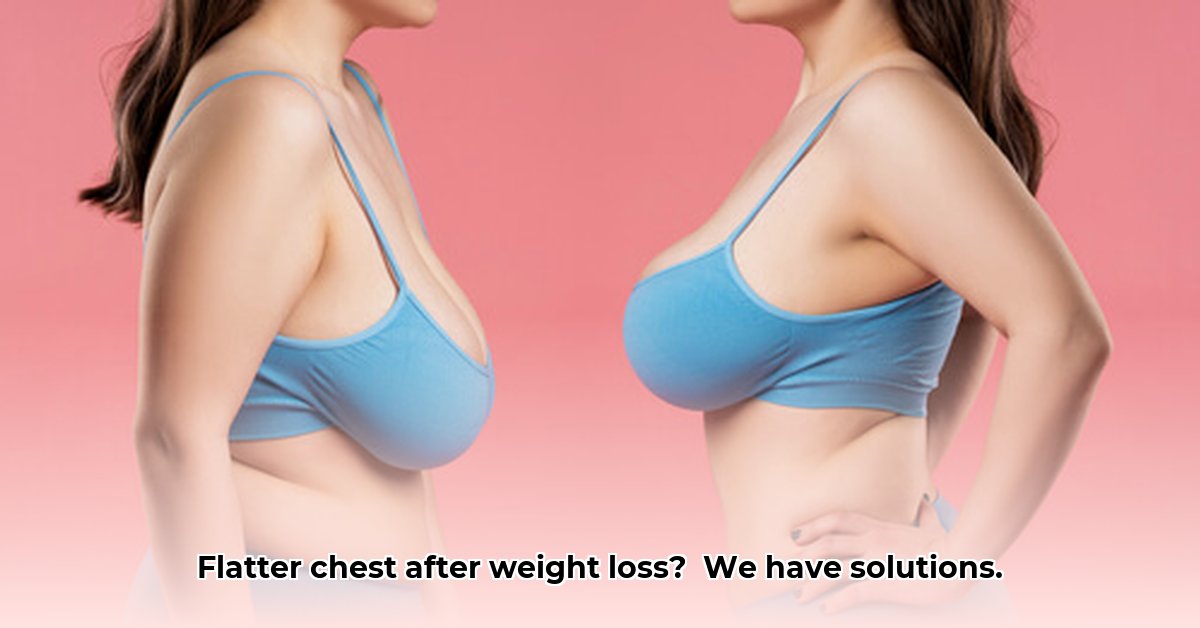
Losing a significant amount of weight is a remarkable achievement, a testament to your dedication and hard work. However, for many women, this journey can bring unexpected changes, including changes in breast appearance—specifically, sagging. This is a common experience, and understanding why it happens is the first step towards feeling comfortable and confident in your new body. This guide provides a comprehensive overview of the causes, solutions, and ways to maintain your psychological well-being throughout this process.
Why Do Breasts Sag After Weight Loss?
Your breasts are primarily composed of fatty tissue. Weight loss naturally reduces fat throughout the body, including the breasts. This decrease in volume means the skin and supporting tissues must adjust, leading to sagging. Think of a balloon losing air—the material stretches and droops. This is a natural consequence of significant weight loss.
Factors Influencing Breast Sagging
Several factors interact to influence the extent of breast sagging after weight loss:
- Age: As we age, skin loses elasticity, making it more susceptible to sagging. This is a natural part of the aging process.
- Genetics: Hereditary factors significantly influence skin elasticity. Some individuals naturally have more elastic skin than others.
- Rate of Weight Loss: Rapid weight loss puts more stress on the skin than gradual weight loss. A slower process allows the skin more time to adapt.
- Initial Breast Size: Women with larger breasts before weight loss might experience more noticeable sagging due to the greater amount of tissue involved.
- Smoking: Smoking damages collagen and elastin, reducing skin elasticity and contributing to sagging.
It's crucial to remember that these factors work together, creating a unique experience for each individual.
Non-Surgical Options for Breast Appearance
While completely reversing breast changes after weight loss is unlikely, several non-surgical methods can improve tone and appearance:
Supportive Bras: Wearing a well-fitting, supportive bra throughout the day, especially during exercise, provides gentle support and helps maintain breast shape. This offers external support to compensate for reduced tissue volume.
Chest Exercises: Strengthening the pectoral muscles (chest muscles) through targeted exercises can subtly improve muscle tone and provide a lifting effect. This doesn't directly lift the breasts, but it improves the underlying support structure. (See "Best Exercises" section below)
Topical Treatments: Many creams and serums claim to improve skin elasticity and firmness. However, the scientific evidence supporting these claims is limited, and individual results vary greatly. More research is needed to confirm their efficacy.
Lifestyle Changes: Maintaining a healthy lifestyle supports overall skin health. Staying hydrated, eating a nutritious diet, getting sufficient sleep, and avoiding smoking all contribute to better skin elasticity.
It's important to have realistic expectations. Non-surgical methods often offer modest improvements rather than dramatic changes.
Best Exercises to Improve Breast Firmness After Weight Loss
These exercises focus on strengthening the chest muscles for underlying breast support:
- Incline Dumbbell Press: (Lie on an incline bench, press dumbbells upwards.) 3 sets of 10-12 repetitions.
- Chest Press Machine: (Use a chest press machine, focusing on controlled movements.) 3 sets of 10-12 repetitions.
- Push-ups: (Standard push-ups or modified on knees.) 3 sets of as many repetitions as possible (AMRAP).
- Pec Flyes: (Lie on a bench, bring dumbbells together, focusing on chest contraction.) 3 sets of 10-12 repetitions.
- Cable Flyes: (Use a cable machine to perform similar movements as dumbbell flyes.) 3 sets of 10-12 repetitions.
Remember to use proper form to prevent injuries. Start with lighter weights and gradually increase as strength improves. Consistency is key!
Surgical Options for Breast Lifting
For more significant sagging that impacts self-esteem, surgical options like breast lifts (mastopexy) or breast augmentation are available. These are significant medical procedures; thorough research and consultation with a board-certified plastic surgeon are essential. The surgeon will discuss the procedures, risks, benefits, recovery time, and costs. Informed consent and realistic expectations are paramount. Don't hesitate to ask questions about potential complications.
The Emotional Impact of Breast Changes
It's crucial to acknowledge the emotional impact of body changes after weight loss. Feelings of disappointment, sadness, or anger are completely valid. Openly discussing these feelings with supportive friends, family, or a therapist can provide significant emotional support. If body image concerns persist, seeking professional help is highly beneficial. Prioritizing self-acceptance and body positivity is essential for overall well-being.
Frequently Asked Questions (FAQs)
Will my breasts ever look exactly the same? It's highly unlikely.
How long until I see results from exercises or creams? Results, if any, are gradual and may take several months.
What are the risks of breast surgery? Risks include infection, scarring, and potential asymmetry. Your surgeon will explain these in detail.
This information serves as a general guide; it should not replace professional medical advice. Consult your healthcare provider or a qualified plastic surgeon for personalized recommendations. They can help determine the best course of action for your specific needs and expectations.